

- India,
- 21-Sep-2026 12:24 PM IST


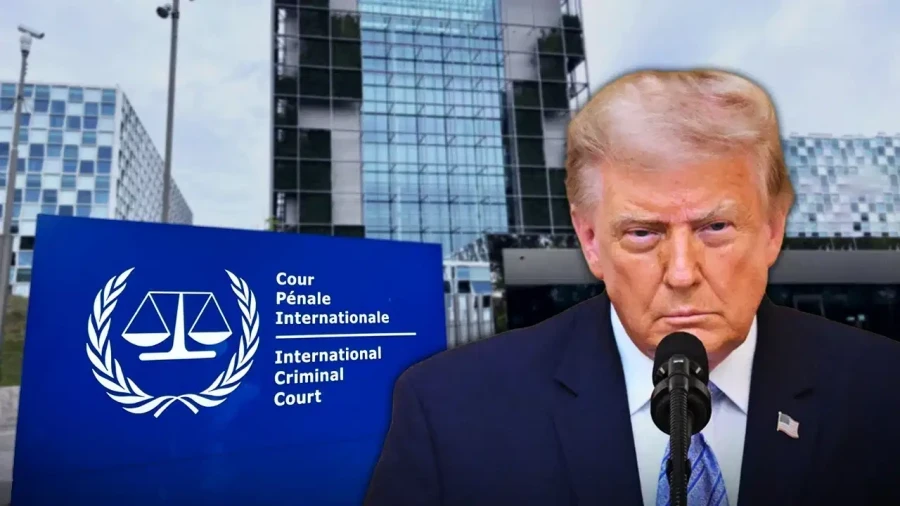
The administration of United States President Donald Trump is reportedly moving toward a significant escalation in its confrontation with the International Criminal Court (ICC). According to reports from sources familiar with the matter, the United States is preparing to place the entire ICC organization under a regime of comprehensive sanctions. This move, which could be announced in the very near future, marks a departure from previous actions that targeted specific individuals within the court. The decision-making process is reaching its final stages, with the Wall Street Journal reporting that the details could be finalized as early as this week, coinciding with the high-profile meetings of the United Nations General Assembly. S. State Department has not provided an immediate official response to these reports, the implications of such a move are expected to be far-reaching for international law and diplomacy.
The Scope and Mandate of the ICC
The International Criminal Court was established in 2002 with a specific mandate to investigate and prosecute the most serious crimes of concern to the international community. These include war crimes, genocide, and crimes against humanity. The court operates on the principle of complementarity, meaning it only intervenes when a national government is either unable or unwilling to conduct its own investigations into such grave offenses. Despite its global role, the United States isn't a member of the ICC, a position that has led to long-standing friction between Washington and the Hague-based institution. S. and the ICC is expected to intensify Importantly, potentially creating a diplomatic rift with other nations that support the court's mission.
Core Reasons for the Sanctions
The primary drivers behind the Trump administration's decision to target the ICC involve long-standing disputes over the court's jurisdiction and its recent actions. A major point of contention is the ICC's pursuit of arrest warrants against Israeli leaders, including Prime Minister Benjamin Netanyahu. S. administration has been vocal in its opposition to these warrants, demanding that they be withdrawn. On top of that, the United States remains deeply opposed to the ICC's past investigations into the conduct of American military personnel during the conflict in Afghanistan. S, while s. isn't a party to the Rome Statute that established the court.
Marco Rubio and the Campaign to Isolate the ICC
S. officials. S. Secretary of State Marco Rubio initiated a campaign aimed at marginalizing the court on the international stage. S. sanctions but has also appealed to other nations to withdraw their support and exit the ICC. S. has previously imposed sanctions on individual judges and lawyers associated with the court, the current plan to sanction the entire organization represents a massive expansion of this policy. S. and allied interests.
Potential Operational Impact on the Court
S. Treasury Department moves forward with sanctions against the entire ICC, the operational consequences for the court would be severe. S. citizens and companies would be prohibited from providing any money, goods, or services to the ICC without specific government authorization. This would create a ripple effect across the global financial system. S. S. law. Such restrictions could cripple the court's ability to maintain its IT services, secure insurance for its operations, and hire necessary investigators for its cases. Plus, the court's daily banking activities would be severely hampered, and there are concerns that the ICC may struggle to pay the salaries of its American employees.
Historical Context and Future Outlook
The conflict between Donald Trump and the ICC isn't a new development; it dates back to his first term in office. However, the issue has regained significant momentum following his re-election in 2024. The timing of this latest move is closely linked to the ICC's decision to issue arrest warrants for Israeli Prime Minister Benjamin Netanyahu, which reignited the administration's plans to take decisive action against the court's officials and the organization as a whole. S. -linked resources and services.


